
Veyra's major peoples are Humans, Beastfolk, Dwarves, Elves, and Demonkin. Mixed families and culturally blended communities are established throughout the known world.
People describes heritage, not a character class.
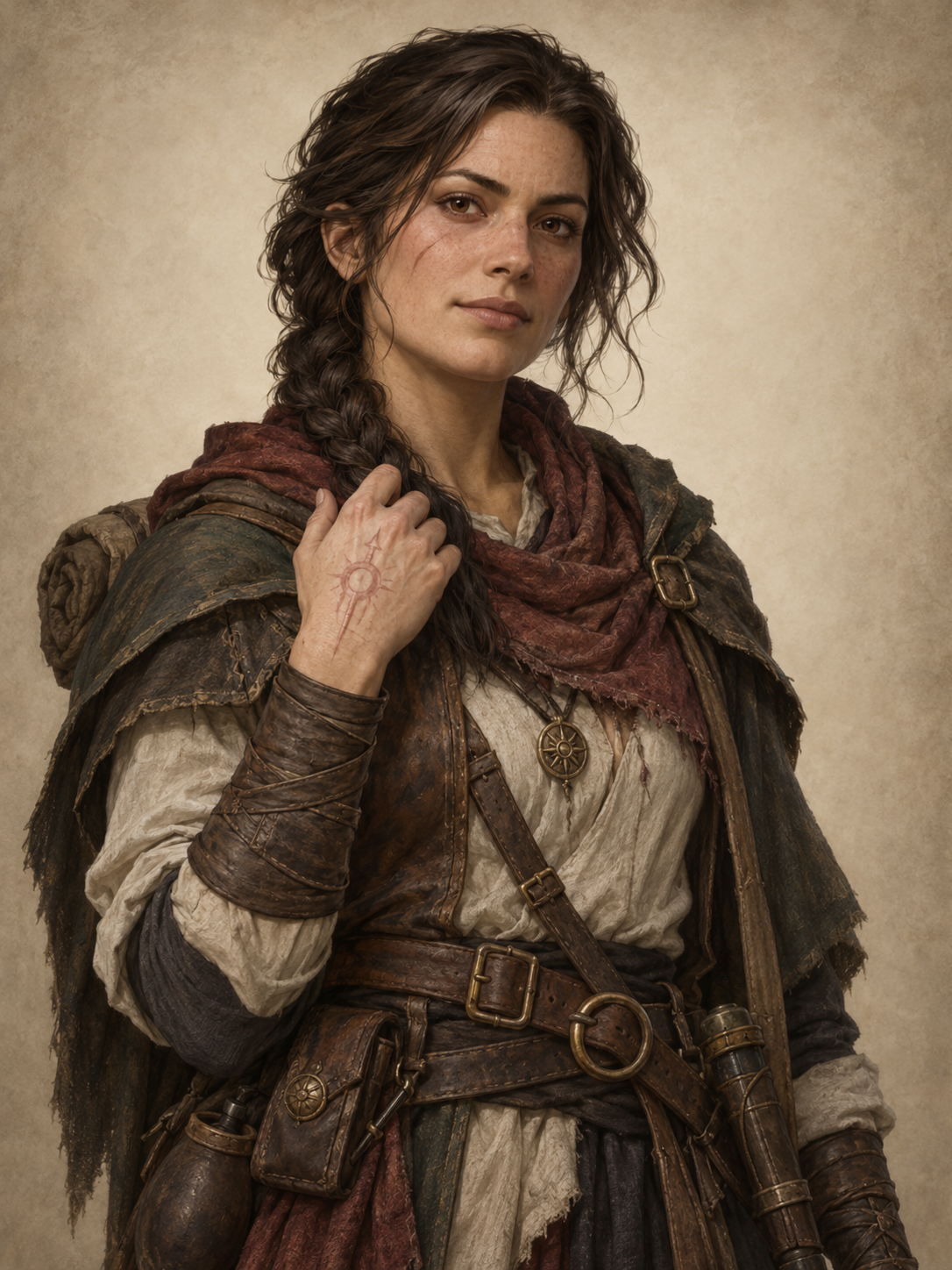
Humans
Humans are widespread throughout Aldara and Caelora and are common in nearly every major port.
There is no single human culture. A Solvarran, Valemerian, Caeloran, Shattered-Isles sailor, and Tsukaran-raised human may have very little in common beyond ancestry.
Humans generally live shorter lives than several of Veyra's other major peoples. This can influence inheritance, apprenticeship, monument-building, recordkeeping, urgency, and how families think about generations, but it does not dictate an individual's personality.
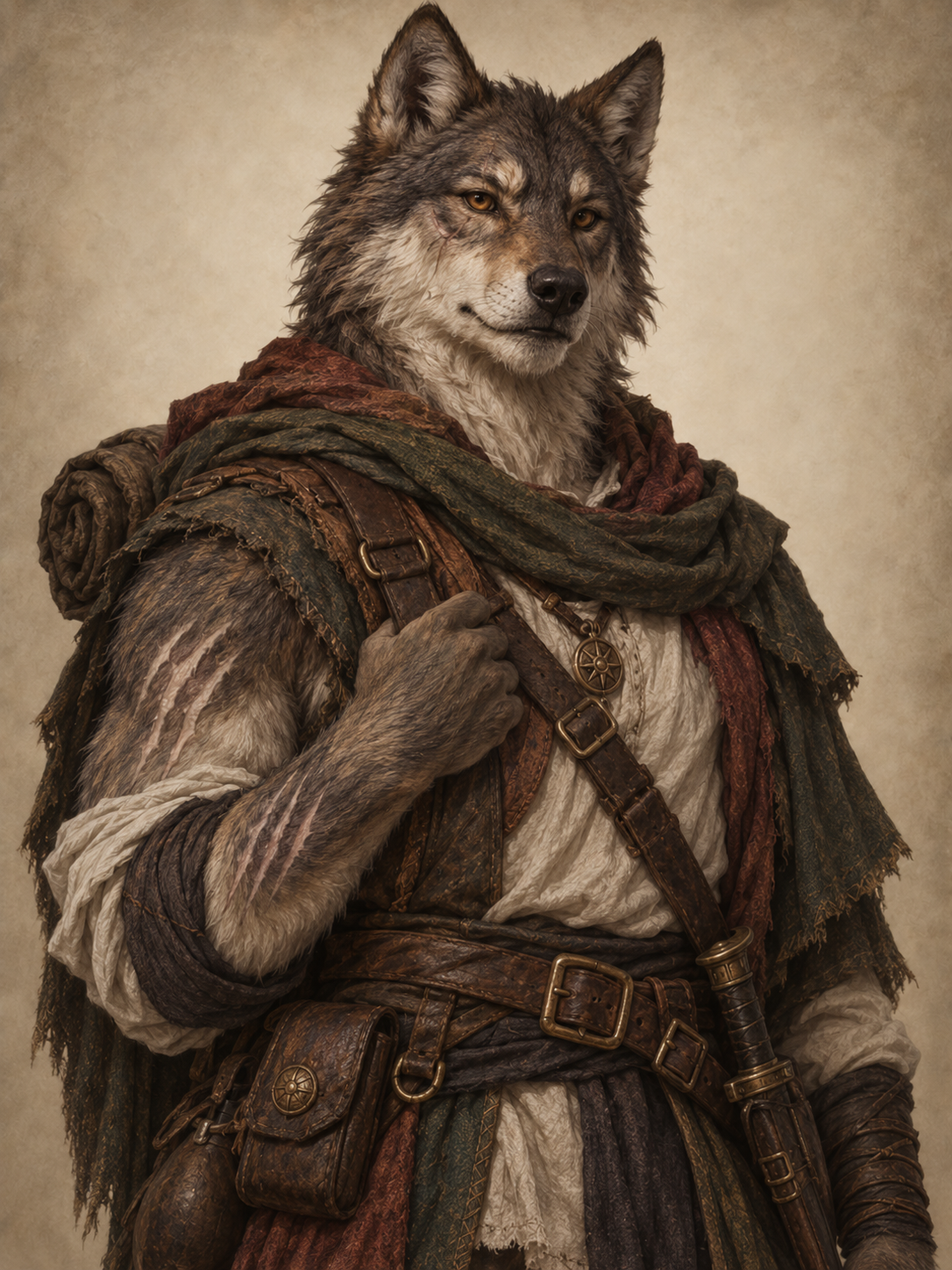
Beastfolk
Beastfolk is a broad Common-language category for many distinct lineages with animal-like traits. Traits may include fur, scales, feathers, horns, tails, claws, or unusual physical features, with enormous variation among individuals and lineages.
There is no single beastfolk culture, language, religion, temperament, or homeland.
Beastfolk are particularly influential in Tharakai and Karthain and form major communities throughout Caelora, Valemere, and many other regions.
Physical traits matter narratively and culturally, but they do not automatically grant combat bonuses, heightened Attributes, or predetermined professions.
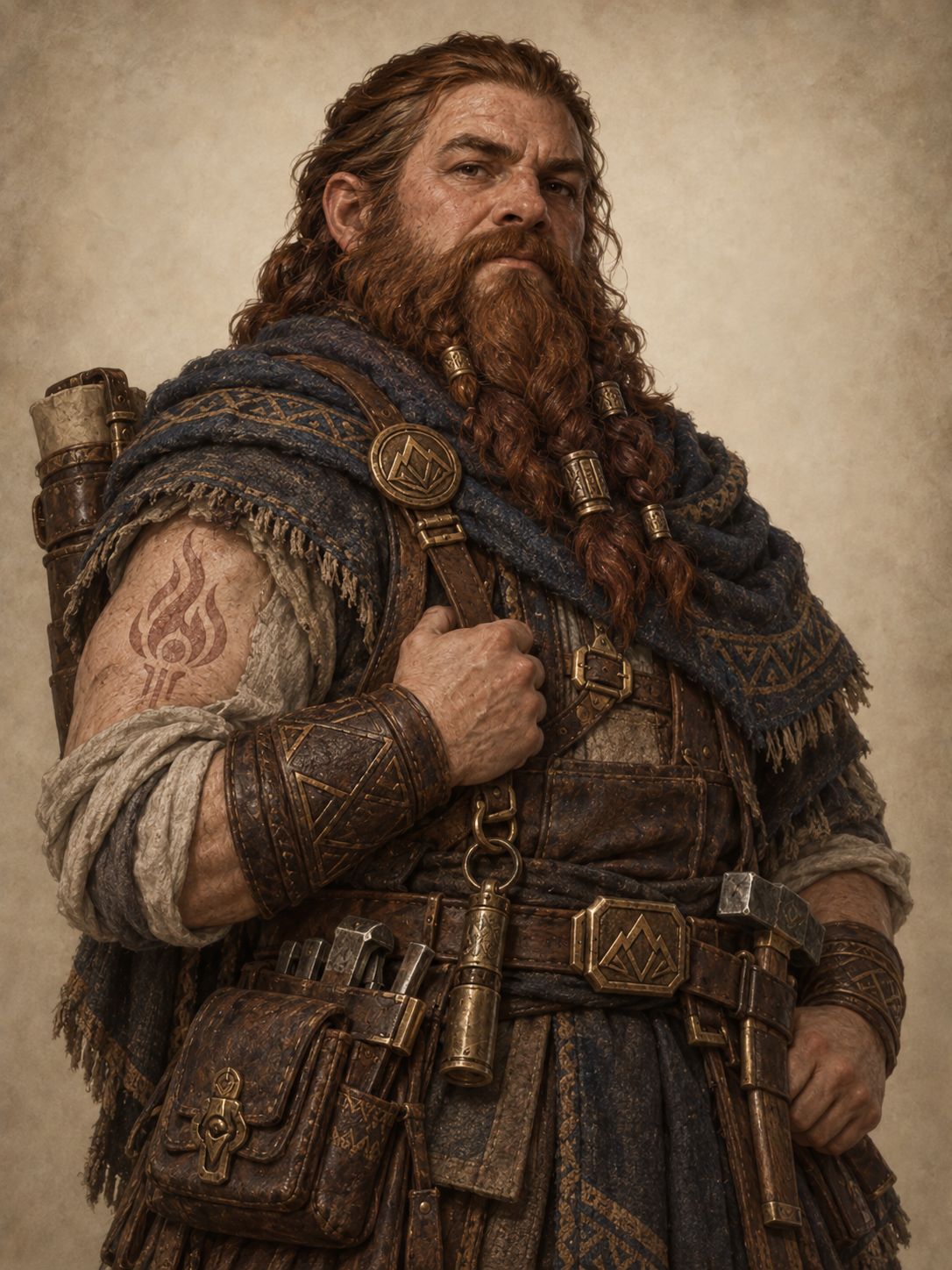
Dwarves
Dwarves are an old and widespread people strongly associated in many cultures with stonework, engineering, metalwork, records, and obligations that outlive their makers.
Durakhal is the best-known independent dwarven homeland, while Caelora's High Spine contains enormous integrated dwarven communities.
Dwarves are not restricted to mining or smithing. Dwarven sailors, physicians, merchants, soldiers, scholars, architects, engineers, and mages are ordinary parts of the setting.
Many dwarven traditions place special emphasis on memory, craft, and obligation.
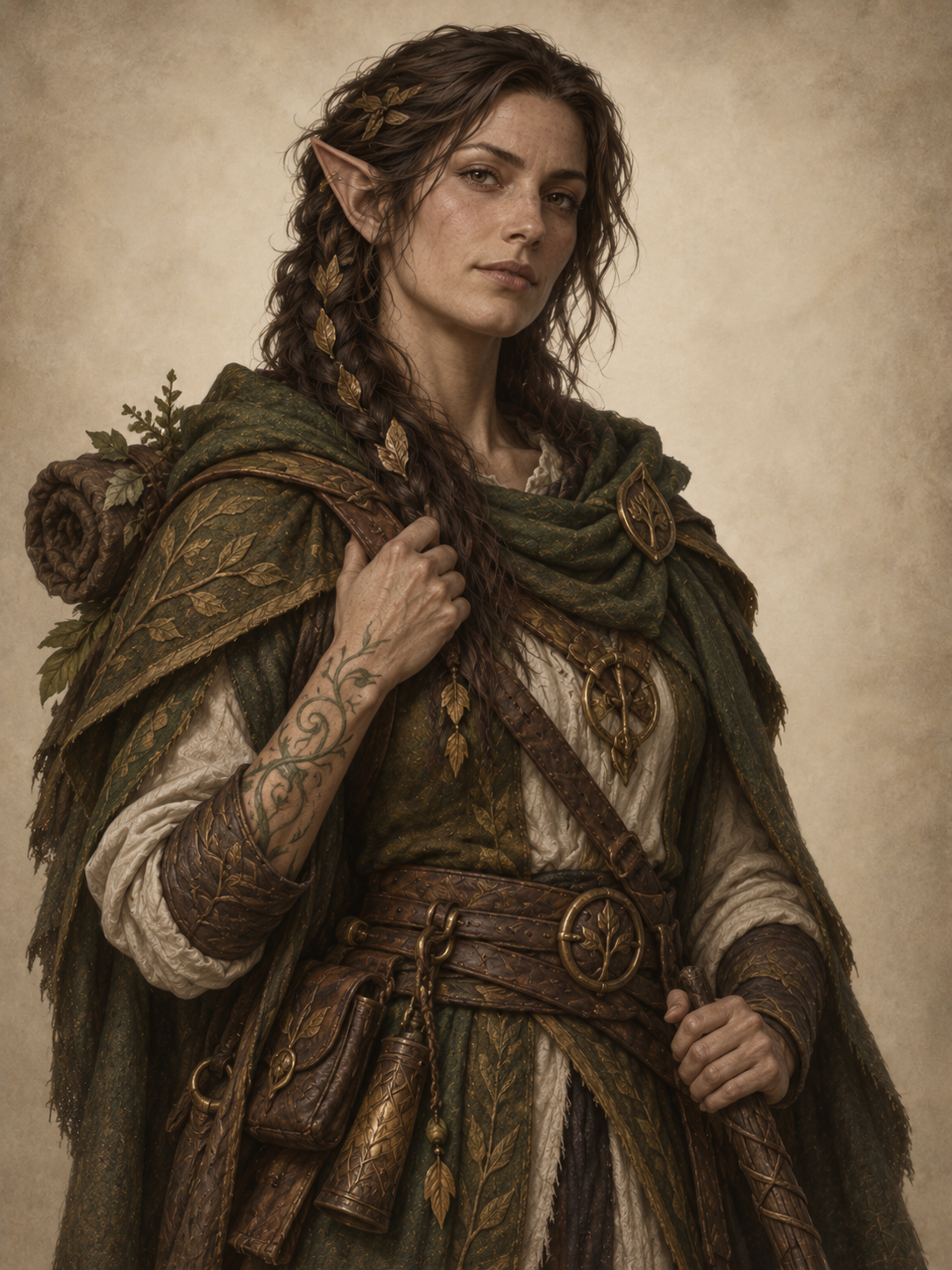
Elves
Modern elves commonly live 500–800 years.
That longevity shapes personal memory, relationships, apprenticeship, politics, and the way history is experienced. An elf may personally remember events that a human family knows through several generations of stories.
Long life does not guarantee wisdom or accuracy. A living witness can still misunderstand, misremember, conceal, rationalize, or disagree.
The Elderwood is the most famous elven homeland, but elves also live in Valemere, Caelora, ports, the Shattered Isles, and mixed communities throughout Veyra.
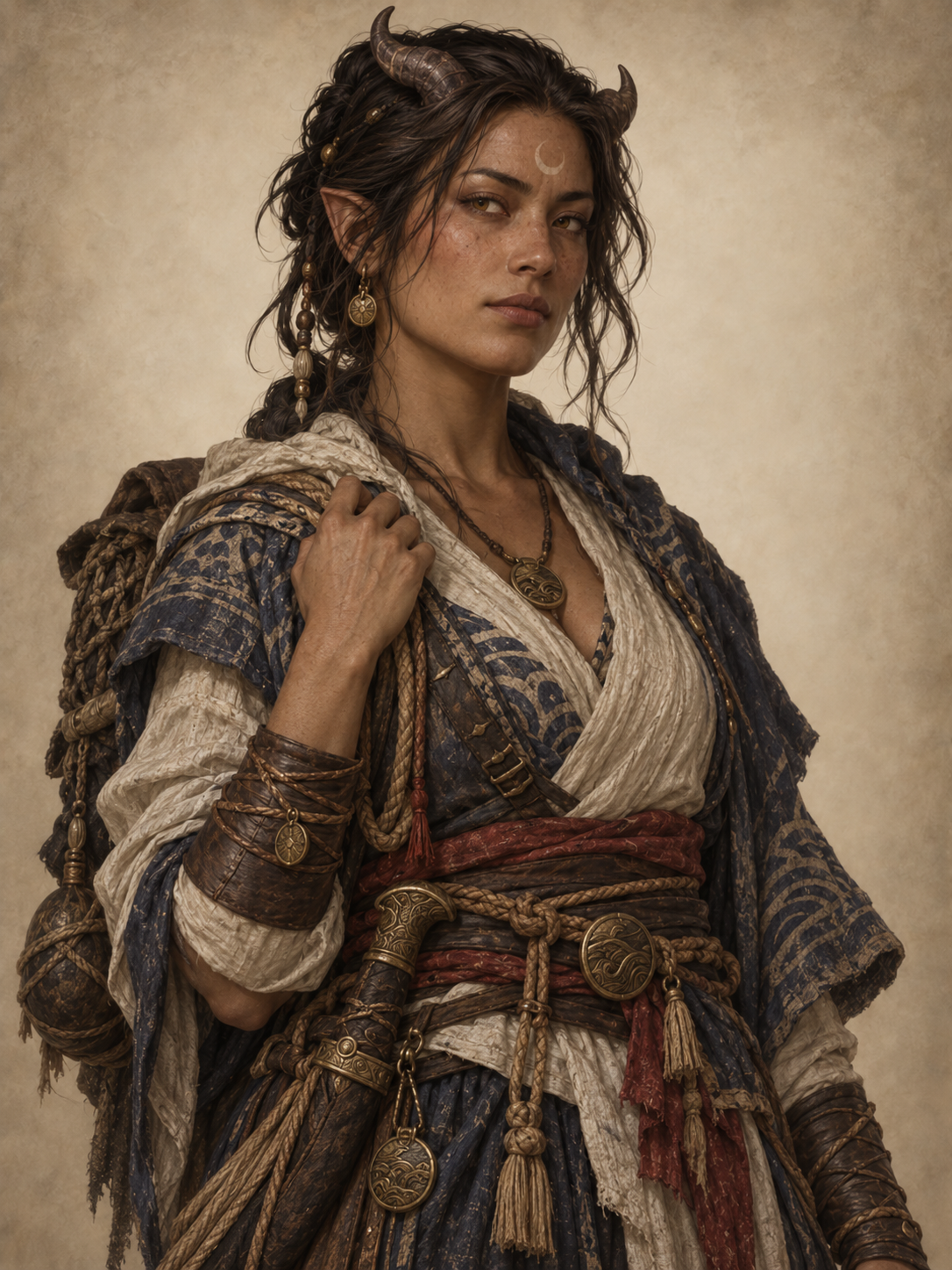
Demonkin
Demonkin are the predominant people of Tsukara.
The word Demonkin is primarily a Common-language outsider term. They are native mortals of Veyra, not demons, infernal outsiders, or descendants of monsters.
Appearance varies greatly. Common traits can include horns, pointed ears, unusual eyes, pronounced canines, tails, and skin tones ranging from familiar mortal shades to muted red, bronze, ash-gray, or violet. No single set of features defines the people.
Demonkin communities exist across the Dawning Coast, Valemere, the Shattered Isles, and other international ports as well as Tsukara.
Mixed Heritage
Mixed families and blended communities are part of Veyra.
The setting does not require a rigid inheritance chart for mixed heritage. A character can describe family background, appearance, and cultural belonging in a way that fits the established peoples without turning heritage into a statistical package.